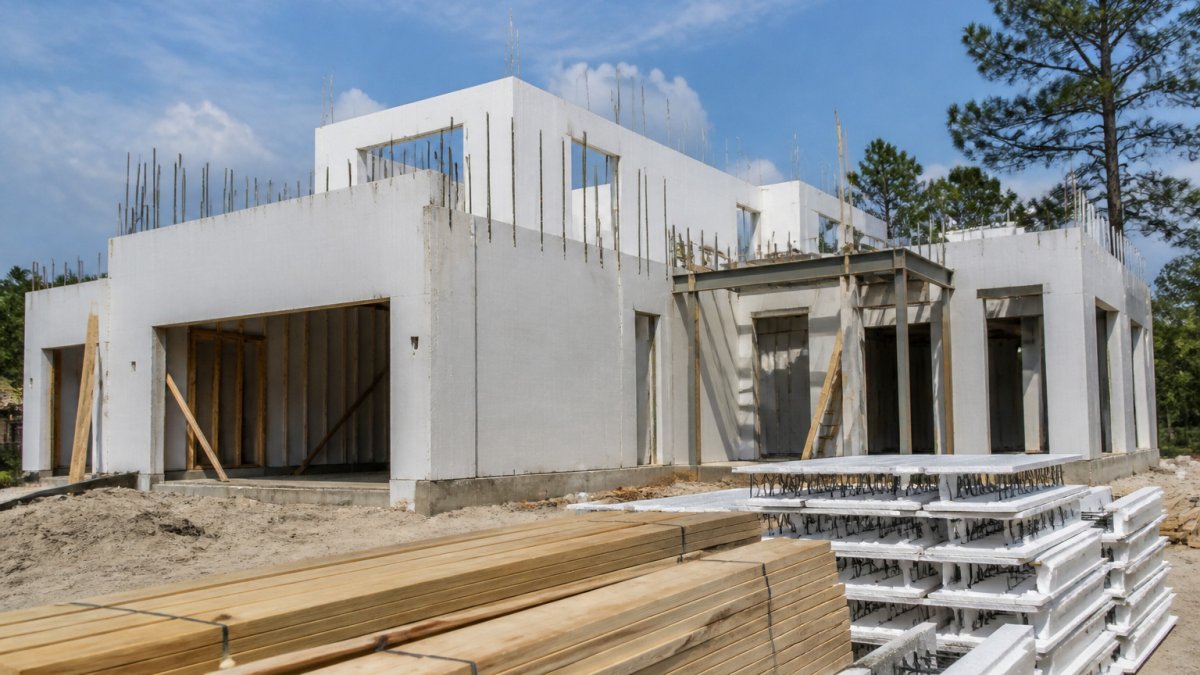
 how-to
How to Reduce Cooling Costs in Your Florida Home
Last Updated: October 31, 2026
Quick Summary
To reduce cooling costs, start with a home energy audit to find where cool air escapes and heat sneaks in, then seal air leaks and upgrade insulation. Regular HVAC maintenance, a smart thermostat, and passive cooling habits like ceiling fans and window treatments cut cooling costs further.
- Replace the air filter every 1-3 months, more often with pets or heavy dust.
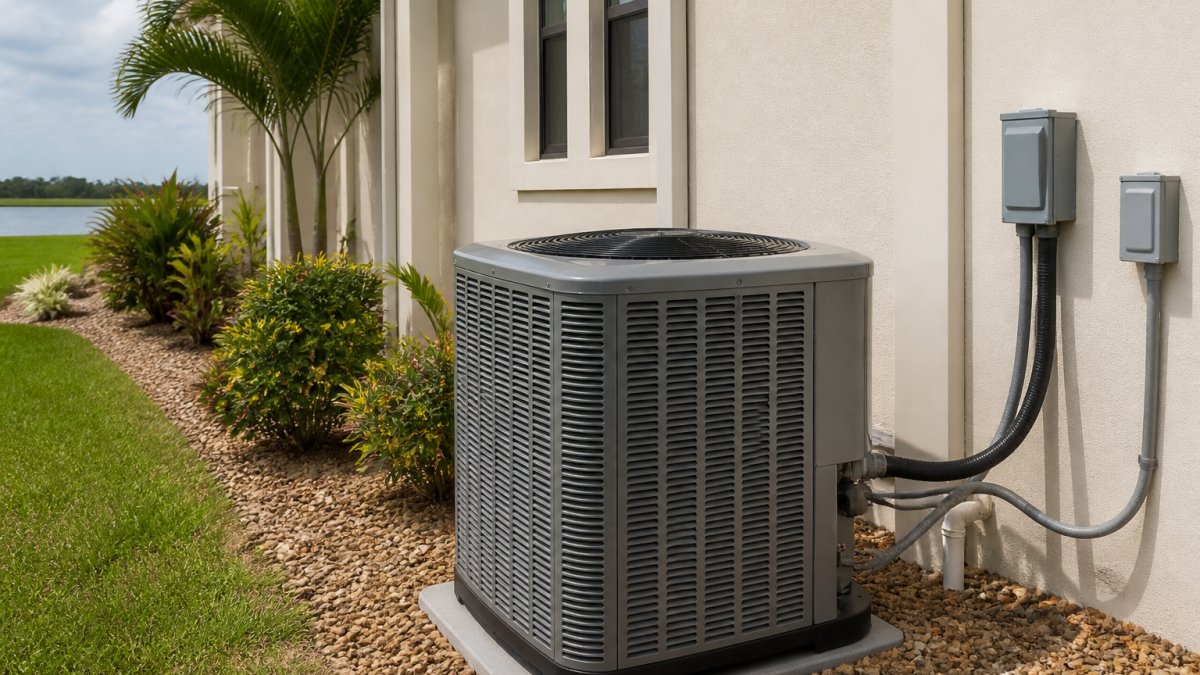
- Keep at least two feet of clearance around the outdoor condenser unit.
- Set the thermostat higher when you are away and lower when home and awake.
- Turn ceiling fans off in empty rooms because fans cool people, not rooms.
- The strongest ROI usually comes from sealing and insulation first, then equipment.
Table of Contents
- Start With an Energy Audit to Find Where Cooling Costs Leak Away
- Seal Air Leaks and Upgrade Insulation to Cut Heat Gain
- Summer HVAC Maintenance Tips for Peak Efficiency
- Smart Thermostat Cooling Savings and Zoned Cooling
- Energy Efficient Home Construction: How ICF Walls Lower Cooling Load
- Schedule a Consultation to Plan Your Energy-Efficient Build
- Frequently Asked Questions
Start With an Energy Audit to Find Where Cooling Costs Leak Away
If you want to know how to reduce cooling costs, start by finding the leaks. A home energy audit is the fastest way to see where cool air escapes and heat sneaks in. Guesswork wastes money.
An energy audit is a professional inspection that measures how your home uses and loses energy, turning a vague utility bill into a clear list of fixes.
What a Professional Energy Audit Checks
An auditor tests the whole house, not just the AC unit:
DIY Checks You Can Do First
- Run your hand around windows and doors on a windy day
- Check attic insulation depth with a ruler
- Look for dusty streaks near ducts, a sign of air leakage
- Review the last three utility bills for spikes
- Confirm your air filter is clean
Watch out: many homeowners seal the attic hatch and forget the rim joists in the basement or crawlspace. That gap alone can undo a weekend of weatherstripping.
Seal Air Leaks and Upgrade Insulation to Cut Heat Gain
Heat gain is the enemy. Every gap in your envelope lets hot, humid air push inside, and your AC pays the price. Sealing air leaks and upgrading insulation are the two highest-value fixes in most Florida homes.
Duct Sealing and Attic Insulation R-Value
Insulation R-value measures how well a material resists heat flow. Higher R-value means slower heat gain.
A common mistake is stuffing insulation over a vented soffit, which blocks airflow and traps moisture.
Summer HVAC Maintenance Tips for Peak Efficiency
Your cooling system needs care before the first heat wave, not after. A short seasonal maintenance routine protects HVAC efficiency and prevents mid-summer breakdowns. Browse the ICF Builders USA Blog for more efficiency guidance. Know which tasks you can safely do yourself and which require a licensed technician, doing the wrong task yourself can void a warranty or damage the system.
DIY vs. Professional: What You Can Safely Do
Most practitioners draw the line at anything involving refrigerant, electrical components, or the sealed refrigeration circuit:
Safe for most homeowners:
- Replace the air filter every 1-3 months (more often with pets or heavy dust)
- Clear leaves, grass clippings, and debris from around the outdoor condenser unit, keeping at least two feet of clearance
- Gently rinse the condenser coil fins with a garden hose from the inside out
- Straighten bent condenser fins with a fin comb
- Clear the condensate drain line with a wet/dry vacuum or flush it with distilled vinegar
- Test the thermostat against a separate thermometer
- Check that supply and return registers are open and unobstructed
Leave to a licensed technician:
- Checking or adding refrigerant, handling refrigerant requires EPA Section 608 certification, and low refrigerant usually signals a leak that must be found and repaired
- Cleaning the evaporator coil, which often sits in a sealed plenum and requires disassembly
- Testing electrical components, capacitors, and contactors
- Any work inside the air handler cabinet
Air Filter Replacement and Coil Cleaning
Air filter replacement is the cheapest efficiency win you own. A clogged filter chokes airflow, forcing the system to run longer and, in severe cases, freezing the evaporator coil. Dirty evaporator coils do the same and cost more to fix because the coil is harder to reach.
A few specifics:
What a Professional Seasonal Tune-Up Covers
A professional tune-up is worth scheduling once a year, ideally in spring before peak demand.
Smart Thermostat Cooling Savings and Zoned Cooling
A smart thermostat is a small upgrade with real payoff, but only if you program it around how your household actually lives. It learns your schedule and trims cooling when rooms are empty. Combined with zoned cooling, it gives you room-by-room control instead of conditioning space nobody is using.
How a Smart Thermostat Actually Saves Money
The mechanism is simple: cooling costs scale with runtime, and runtime scales with how long the compressor and air handler run. A smart thermostat cuts runtime three ways:
Setting the Right Thermostat Setpoint
The right setpoint balances thermal comfort against energy consumption. U.S. Department of Energy Energy Saver guidance recommends setting the thermostat higher when you are away and lower when you are home and awake, and notes that each degree of setback over an extended period reduces cooling energy use. Many households find a setpoint a few degrees warmer than their old habit saves money without real discomfort.
Zoned Cooling: When It Pays and When It Doesn't
Zoned cooling splits your home into areas with separate dampers and sensors. You cool the rooms you use and leave the rest alone. Occupancy sensors make this even smarter.
Ceiling Fans, Window Treatments, and Passive Cooling
Ceiling fans move air and make a room feel cooler, so you can set the thermostat higher. The catch: fans cool people, not rooms, so turn them off in empty rooms (Top 11 Things You Didn't Know About Saving Energy at Home: Summer Edition). Close blinds and curtains on sun-facing windows during peak demand hours, and consider exterior shading, awnings, shade trees, or solar screens, because blocking sun before it hits the glass beats blocking it after.
Energy Efficient Home Construction: How ICF Walls Lower Cooling Load
Energy efficient home construction starts with the shell. Explore custom ICF homes and our projects to see how it's done.
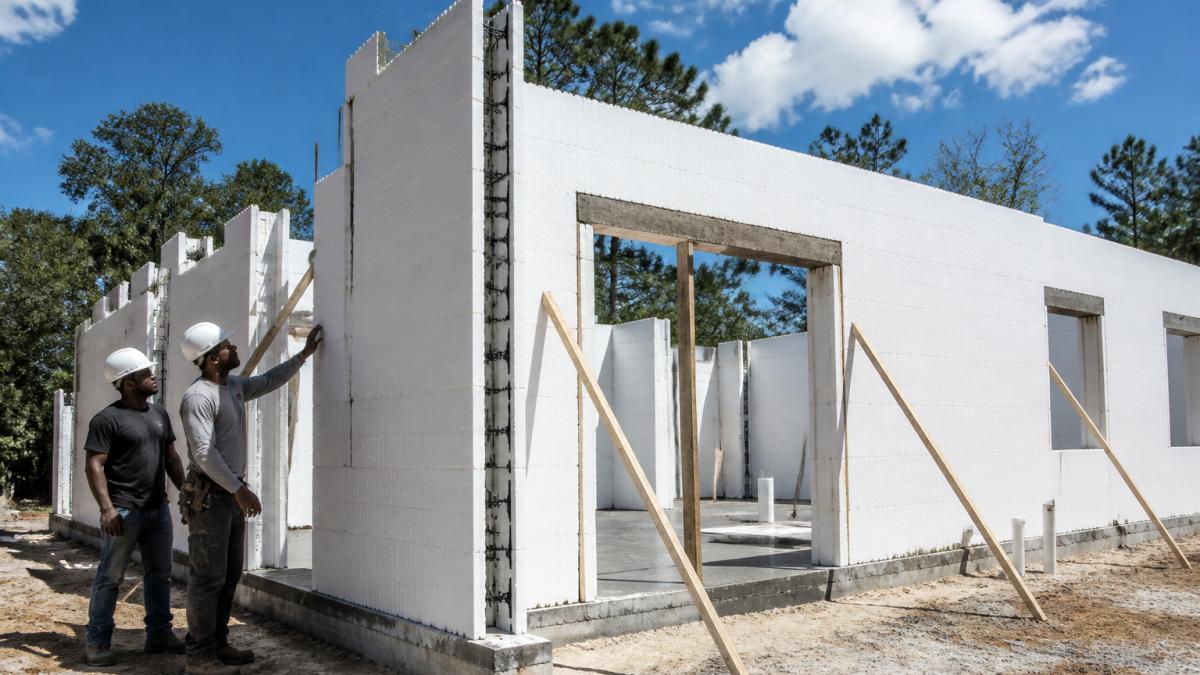
ICF walls resist heat gain better than stick-frame walls. See why build with concrete in Florida for the climate-specific case.
ROI Analysis of Cooling Upgrades and Regional Climate Strategy
Think of cooling upgrades as an investment with a return. A tighter envelope and efficient HVAC cut monthly utility bills, and those savings compound over the life of the home.
Regional climate strategy matters. In a hot, humid climate, dehumidification and a tight shell do more than a bigger AC unit. Building tight from the start avoids paying twice.
| Upgrade | Effort | Typical Impact |
|---|---|---|
| Air sealing | Low | Cuts air leakage fast |
| Duct sealing | Medium | Stops cool-air loss |
| Attic insulation | Medium | Slows heat gain |
| Smart thermostat | Low | Trims idle cooling |
| ICF walls | Build-time | Lowers cooling load |
Schedule a Consultation to Plan Your Energy-Efficient Build
Retrofits help, but the biggest cooling savings come from building right the first time. If you are planning a new home or barn, our team can walk you through ICF construction, from site selection to engineering. We work with major ICF brands.
Ready to plan? Schedule a Consultation to start your project with a team that has over 30 years of experience.
Frequently Asked Questions
What is the most effective way to lower cooling costs in humid climates?
The biggest wins in humid climates come from reducing heat gain and controlling moisture at the same time. Seal air leaks around windows, doors, and ductwork, then upgrade attic insulation to the recommended R-value. Run the AC fan on auto rather than continuous so it doesn't pull humid air back in, and use a dehumidification setting if your system offers one. Pairing these steps with a smart thermostat and regular air filter replacement keeps the cooling load lower without overworking the condenser unit.
Do smart thermostats actually reduce cooling costs?
Smart thermostats can lower cooling costs when they're programmed around real occupancy patterns. Features like occupancy sensors and scheduled setbacks let the system run less when rooms are empty, and many models adjust for humidity. The savings depend on how well the home is sealed and insulated first. A smart thermostat on a leaky, under-insulated house will help, but it can't fix a high cooling load on its own.
How do insulated concrete forms (ICF) impact long-term cooling costs?
ICF walls combine concrete with rigid foam insulation, which reduces air leakage and slows heat gain far better than standard stick-frame construction. That lower cooling load means the AC runs less during peak demand, and the thermal mass helps keep indoor temperatures steady. For homeowners planning a custom build in a hot, humid region, ICF is one construction option to consider when reducing long-term cooling load.
Does keeping the AC at a constant temperature save money?
Holding one temperature all day usually costs more than letting the house warm up when no one is home. A programmable or smart thermostat that sets back the temperature during work hours and returns to a comfortable setpoint before you arrive cuts runtime. The exception is very humid weather, where a small setback still helps control moisture. Set it, leave it, and avoid adjusting the thermostat up and down throughout the day.
The cheapest cooling fix is the one you build in from day one. ICF Builders USA designs hurricane-resistant, energy-efficient homes with insulated concrete form walls, full design and engineering support, and wholesale block pricing. Get started with ICF Builders USA and build a home that stays comfortable and costs less to cool.